BIOLIGHT SYSTEMS / RED LIGHT THERAPY PANELSRED LIGHT
RED LIGHT
THERAPY.
YOUR ROUTINE.
UPGRADED.
Make light therapy part of life beyond your workout. Explore four panel sizes for your home, your space, and the way you move.
Concept collection. Models and specifications are being finalized. AI-generated lifestyle imagery shows illustrative panels.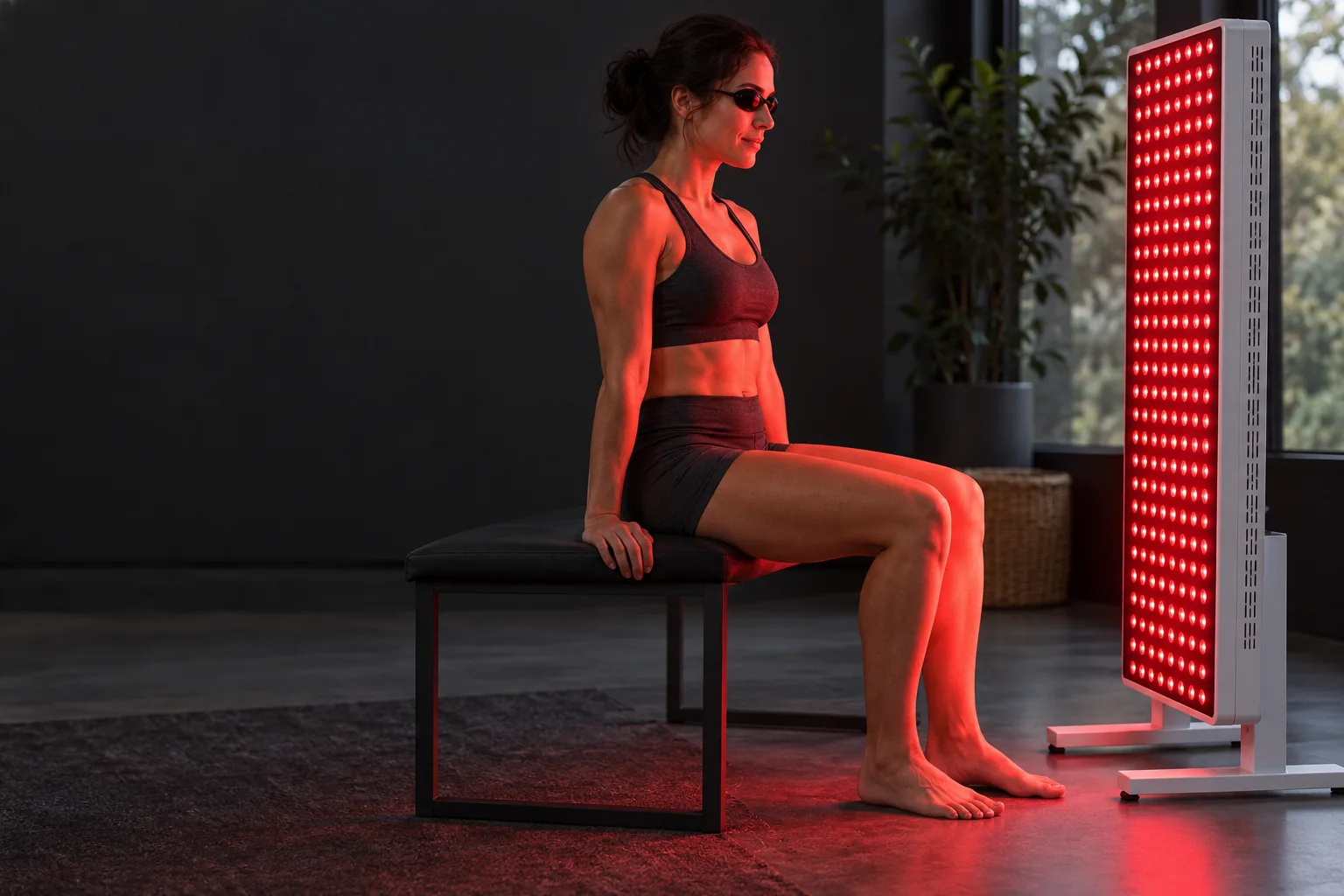
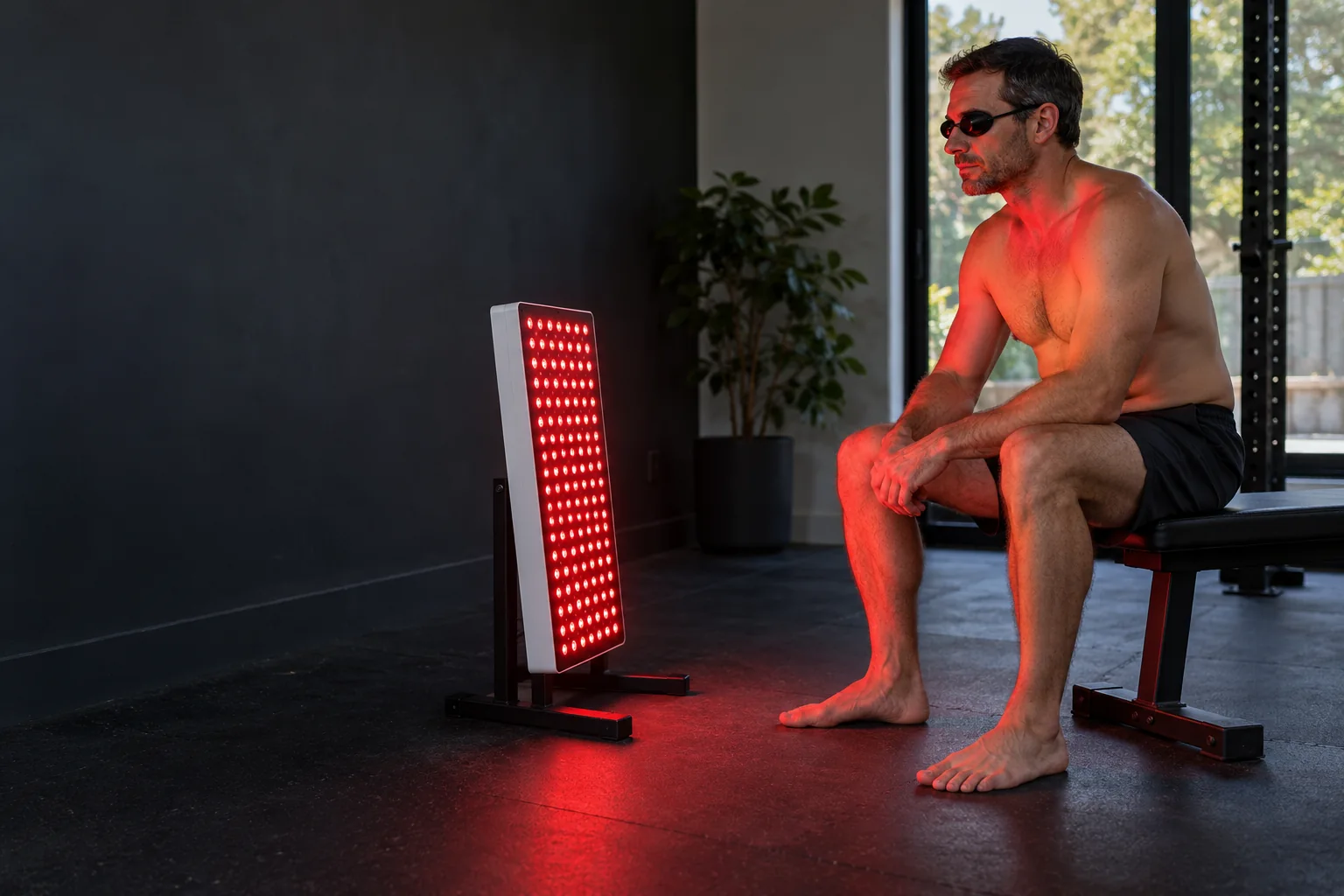
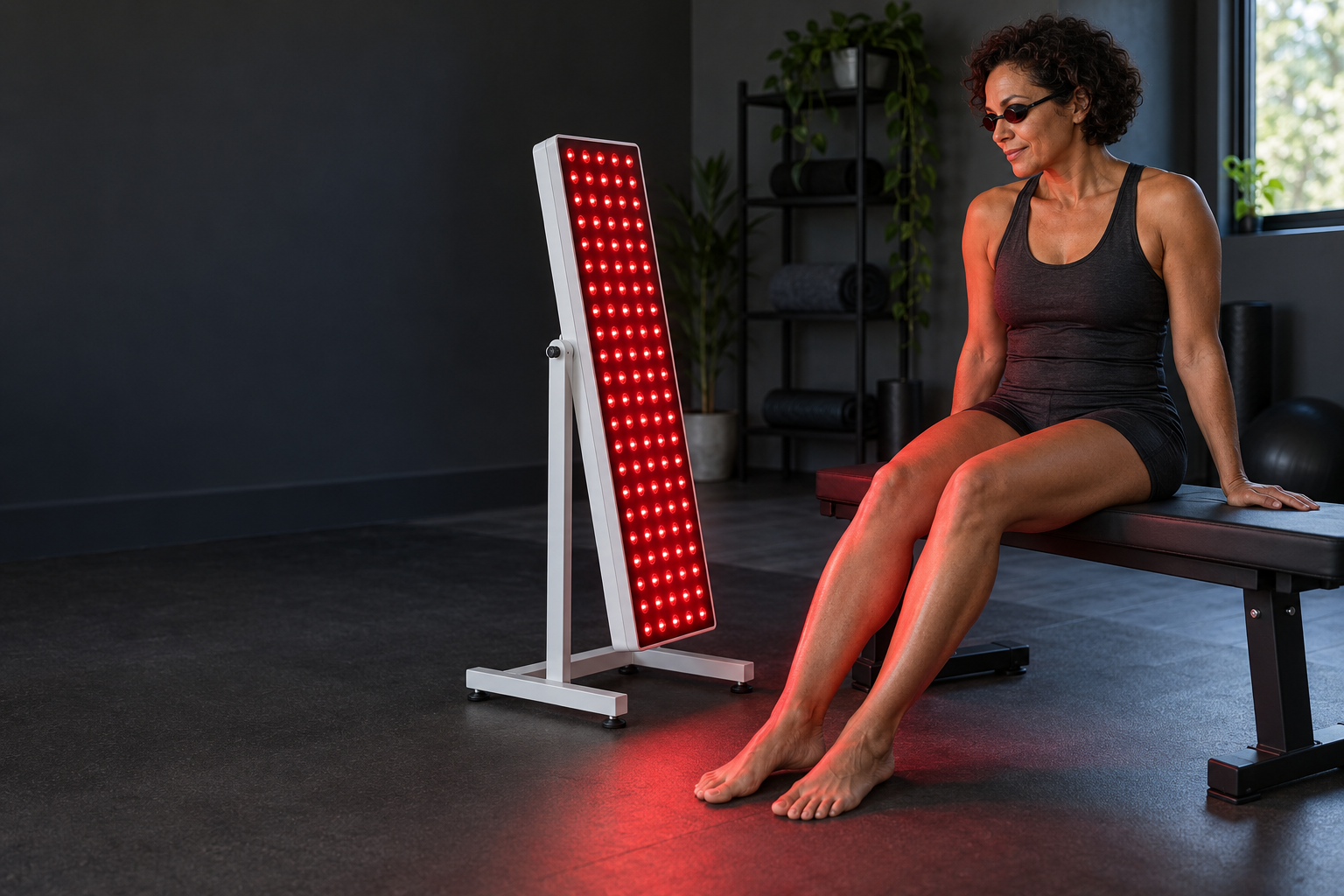
01 / 03
MOVE. / RESET. / REPEAT. / MAKE SPACE FOR LIGHT. /
Confidence starts
with clear information.↗Published human studies≋Side-by-side panel comparison+Science in plain language
Independent resources, not brand endorsements. BioLight products are in development.with clear information.↗Published human studies≋Side-by-side panel comparison+Science in plain language
Published research / A closer lookMore than a glow.
More than a glow.
Start with the evidence.
Red and near-infrared light have been studied in human trials. Here’s a clear look at two skin studies—and the context that makes the findings useful.
Skin texture.
Measured, not guessed.
A controlled trial reported improvements in skin roughness and collagen density after a course of light treatment.
Study design & limitations
Wunsch & Matuschka, 2014. Treatment groups were assessed after 30 sessions. The trial used specialized lamps, not BioLight panels. It was industry-funded; its results cannot establish performance for another device.
A controlled look
at facial skin.
A randomized, sham-controlled split-face trial evaluated 633 nm and 830 nm LEDs and reported improvements in wrinkles and elasticity in the treatment groups.
Study design & limitations
Lee and colleagues, 2007. The protocol ran twice weekly for four weeks with follow-up. This was a specific facial treatment protocol; it does not establish the results of an untested home panel.
Is this device
right for you?
The American Academy of Dermatology notes that results vary and more research is needed on at-home devices.
What to check first
Ask a dermatologist about your skin and any medication that increases light sensitivity. Follow the device instructions, including recommended eye protection. Study protocols are not instructions for BioLight products.
Research on light therapy is not clinical validation of BioLight Systems. Our concept products have not been clinically tested. These publications and organizations do not endorse our brand; no result is guaranteed.
Why BioLight Systems?
Look beyond the glow. The right choice starts with clear specifications, thoughtful design and the details that matter to you.
Swipe to compare all columns →
| What matters | Marketplace panelsCheck each seller | BioLight SystemsOur concept collection | Premium panelsCheck each brand |
|---|---|---|---|
| Price | Check current listing | Concepts from $299 | Check current listing |
| Wavelengths | Verify for each device | Final specifications pending | Verify for each device |
| Irradiance | Ask for test distance | Independent data pending | Ask for test distance |
| Certifications | Verify documentation | Not yet confirmed | Verify documentation |
| Flicker | Ask for test results | Testing details pending | Ask for test results |
| Warranty | Check seller terms | Policy being finalized | Check brand terms |
| Returns | Check seller terms | Policy being finalized | Check brand terms |
| HSA / FSA | Verify eligibility | Eligibility not confirmed | Verify eligibility |
| Support | Check service options | Contact us with questions | Check service options |
| Find your panel ↗ |
Design preview, not a verified competitor comparison. BioLight products, prices, testing and policies are not finalized. Other columns show what to check when shopping; they do not describe or rank specific brands.
Beneath the glow / An interactive guideLight meets biology.
Light meets biology.
Follow the journey.
From a wavelength to a cellular conversation. Explore the science being studied behind red-light therapy.
↓Scroll to explore the science
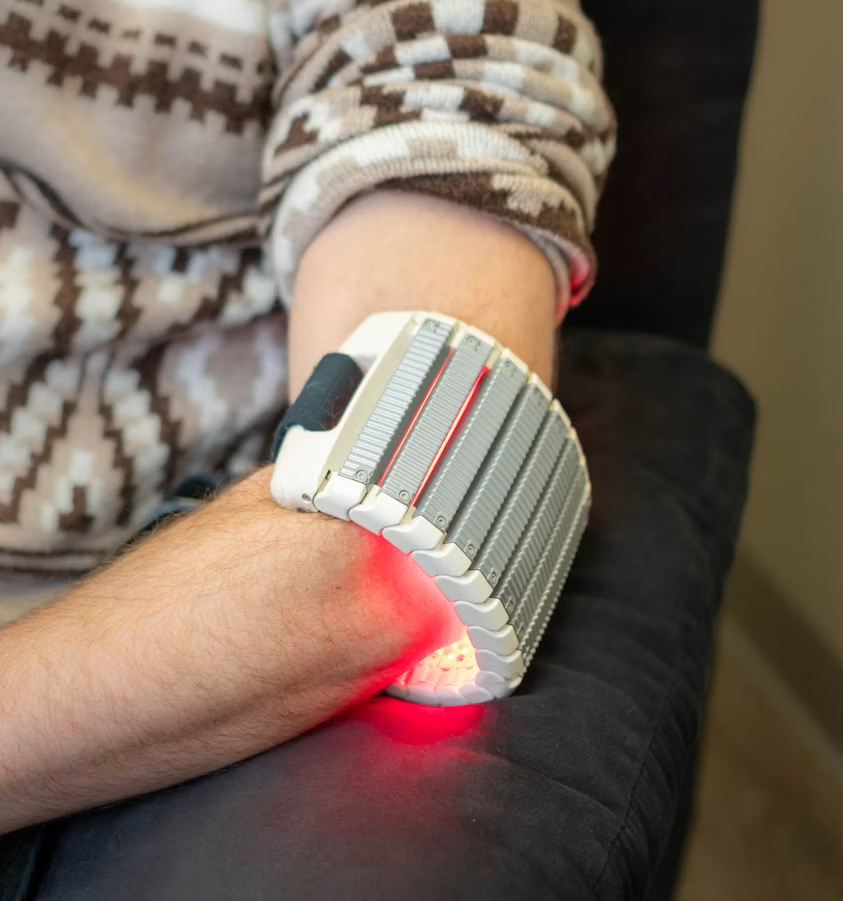
Stock photograph. Not a BioLight Systems product.
01 / Light in practiceConceptual illustration • Not to scale • No tissue depth or treatment outcome is implied
01 / 04 — THE WAVELENGTH
Explore the research: American Academy of Dermatology ↗Mechanisms review ↗Mechanism uncertainties ↗
Educational overview. BioLight concept panels have no confirmed clinical claims.
Educational overview. BioLight concept panels have no confirmed clinical claims.
The BioLight community / Design previewEvery routine has a story.
Every routine has a story.
Make room for yours.
Testimonial design preview. Every review, name and rating below is fictional placeholder content—not a real customer experience.
★★★★★
“I don’t want another gadget that ends up in a drawer. This is the kind of design I’d actually want in my space.”
AMAlex M.Fictional persona · Studio concept
★★★★★
“Most of my day belongs to someone else. I like the idea of setting aside a little time that’s just for me.”
JTJordan T.Fictional persona · Compact concept
★★★★★
“I’m the person who compares every detail before buying. Seeing the sizes side by side makes it much easier to picture the right setup.”
SKSam K.Fictional persona · Full Body concept
★★★★★
“I care about the little things: how it looks, where it fits, and whether it feels simple to use. That’s what catches my attention here.”
RLRiley L.Fictional persona · Studio concept
Real customer stories will be added after launch, with permission. The cards above preview the design.Ask us about BioLight ↗
A connected world / Shipping preview
Across borders.
Closer to your everyday.
A vision for bringing BioLight to more spaces.
Explore our illustrative regional shipping network.
Room to reach further.
US and Canadian destinations shown as part of the concept network. Availability will be confirmed before launch.
Clarity at every step.
European shipping options, taxes and duties will be published alongside the final delivery policy.
Connected by light.
Regional destinations and fulfilment arrangements are being considered. Final coverage is still to be confirmed.
Concept map only. Markers and routes do not represent confirmed warehouses or delivery coverage. Shipping regions, costs and delivery times are not yet finalized.
Shipping & returns information ↗